


Here we introduce our recent Research News, MANABIYA Manuscripts, and introduce our main Research Topics.
Latest Research
-
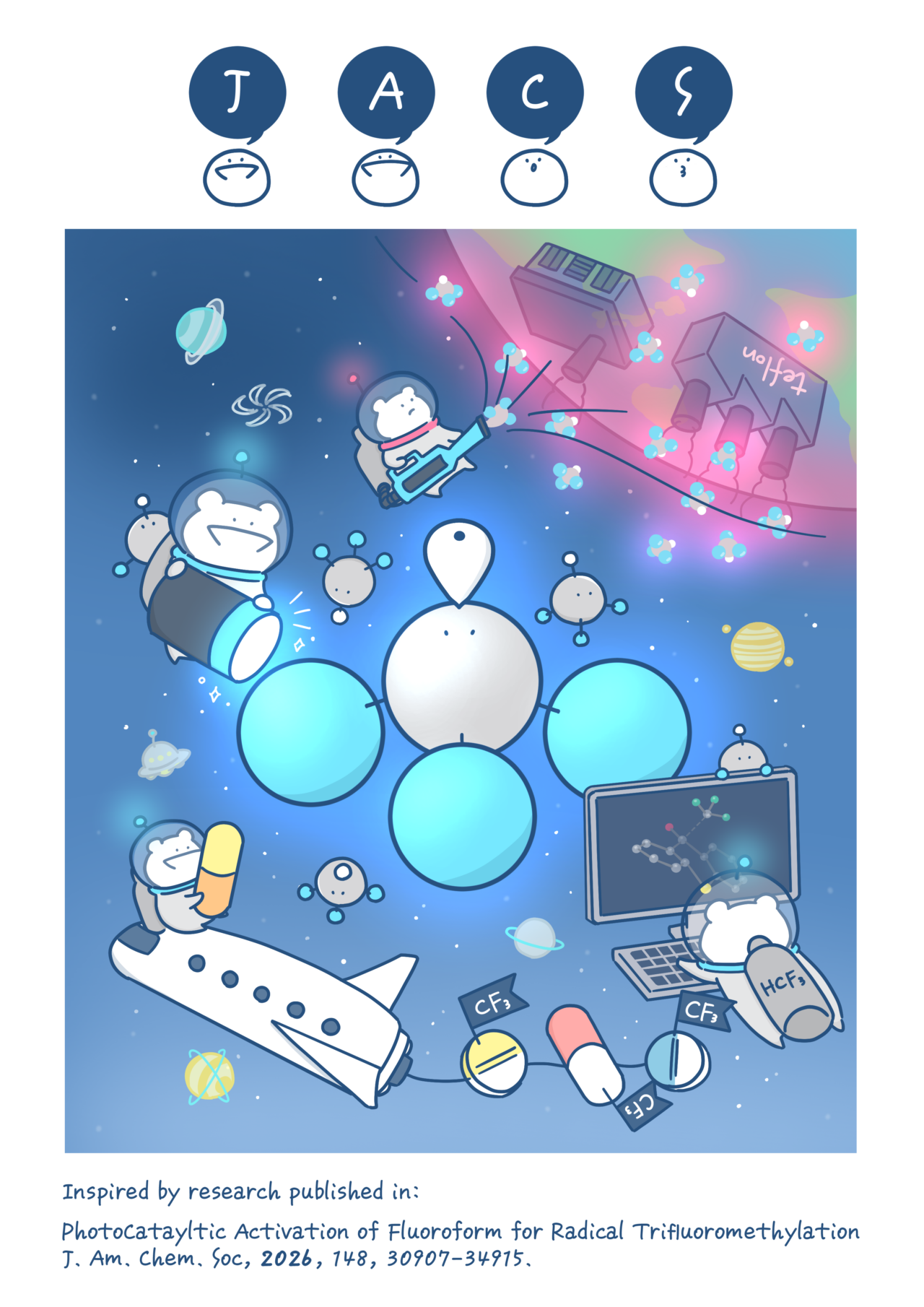 Press Release Turning a potent greenhouse gas into a valuable pharmaceutical building block using light
- HARABUCHI, Yu
- KANNA, Wataru
- KATSUYAMA, Hitomi
- COOPER, Simon
- TANAKA III, Kosaku
- MITA, Tsuyoshi
- MAEDA, Satoshi
Sep 07, 2026- research-news
- Latest Research
- Press Release
-
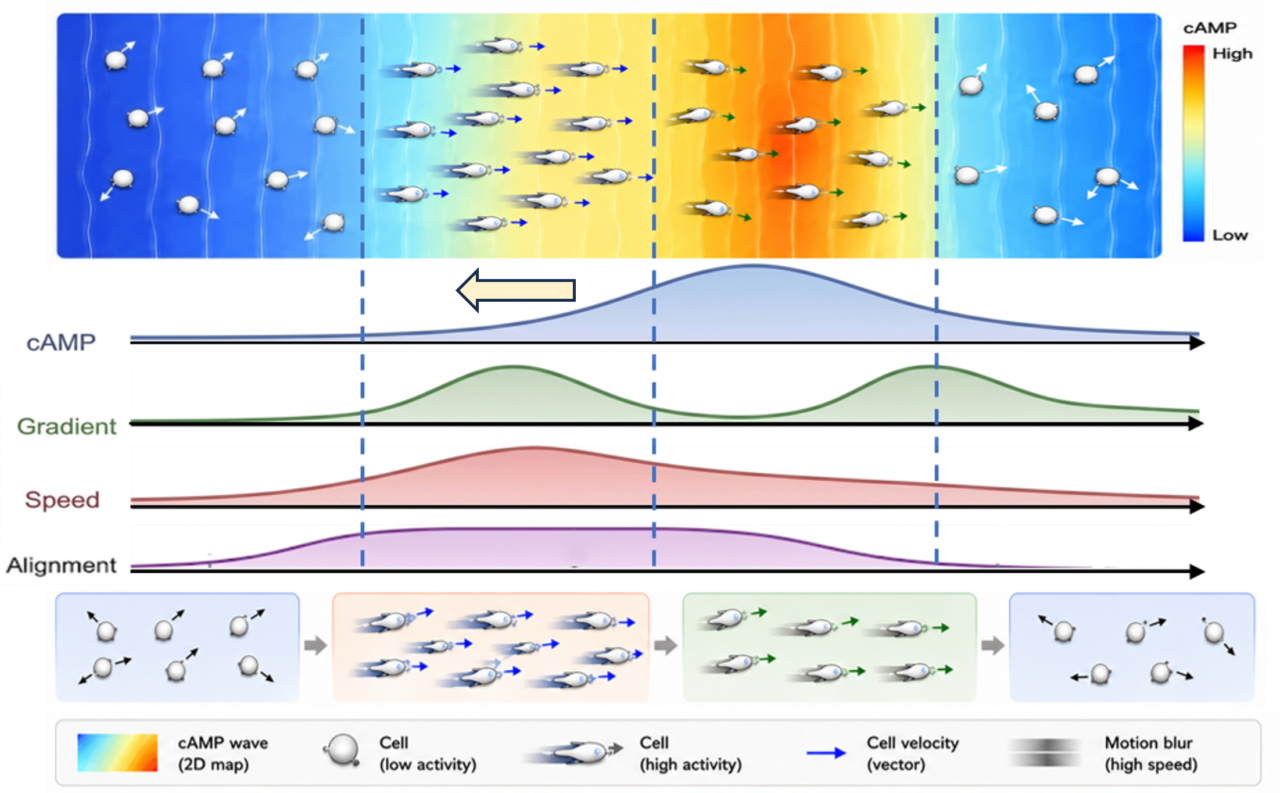 Press Release Surfing the Chemical Wave —How Slime Mold Cells Ride Signals to Build Collective Life
- KOMATSUZAKI, Tamiki
Aug 26, 2026- research-news
- Latest Research
- Press Release
-
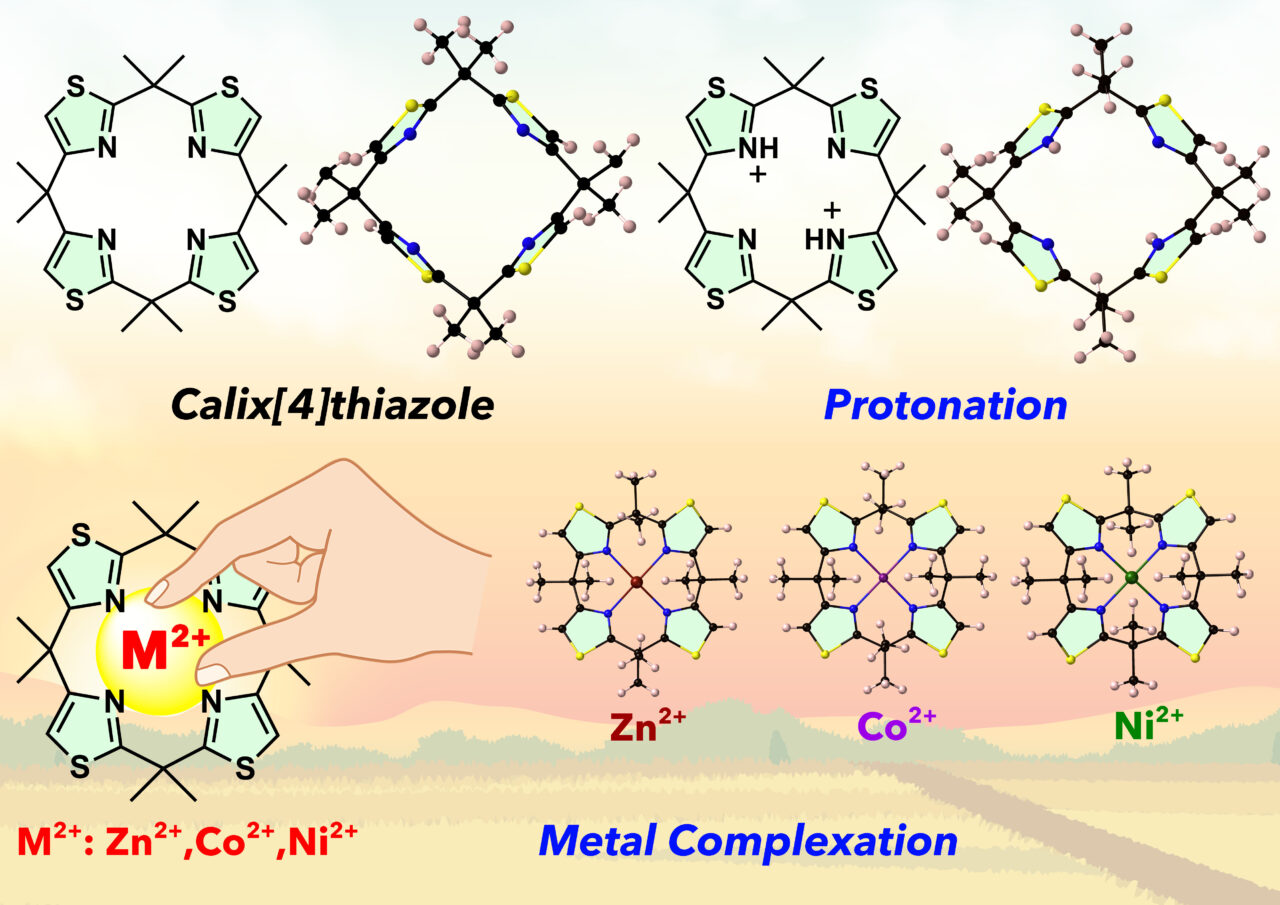 MANABIYA Access to Calix[4]thiazole and Its Unique Coordination Properties
- PATI, Narendra Nath
- IDE, Yuki
- INOKUMA, Yasuhide
Aug 26, 2026- Manabiya
- research-news
- Latest Research
-
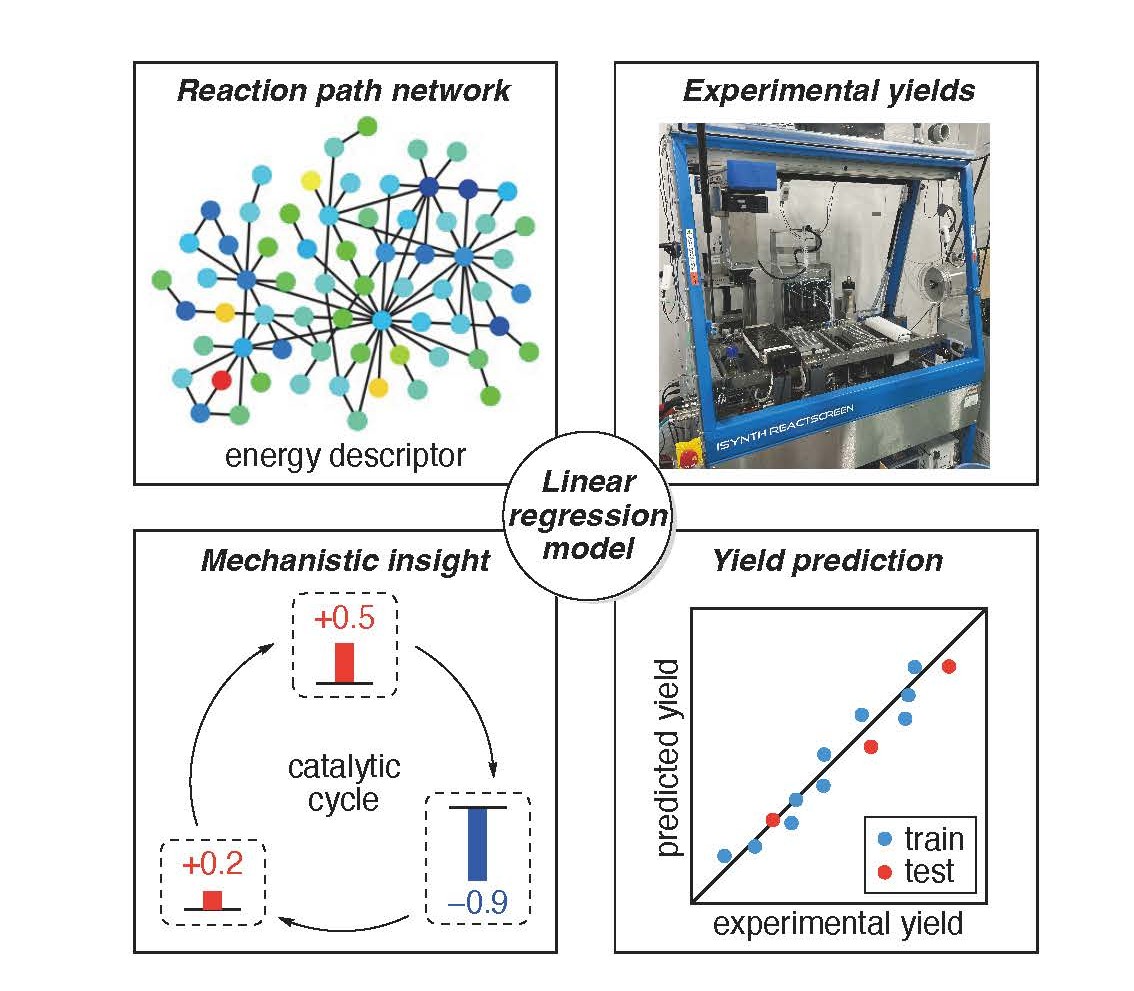 Construction of an Interpretable Regression Model for Yield Prediction and Mechanistic Insight Enabled by Automated Reaction Path Exploration
- HARABUCHI, Yu
- MAEDA, Satoshi
Jul 02, 2026- research-news
- Latest Research
- Press Release
-
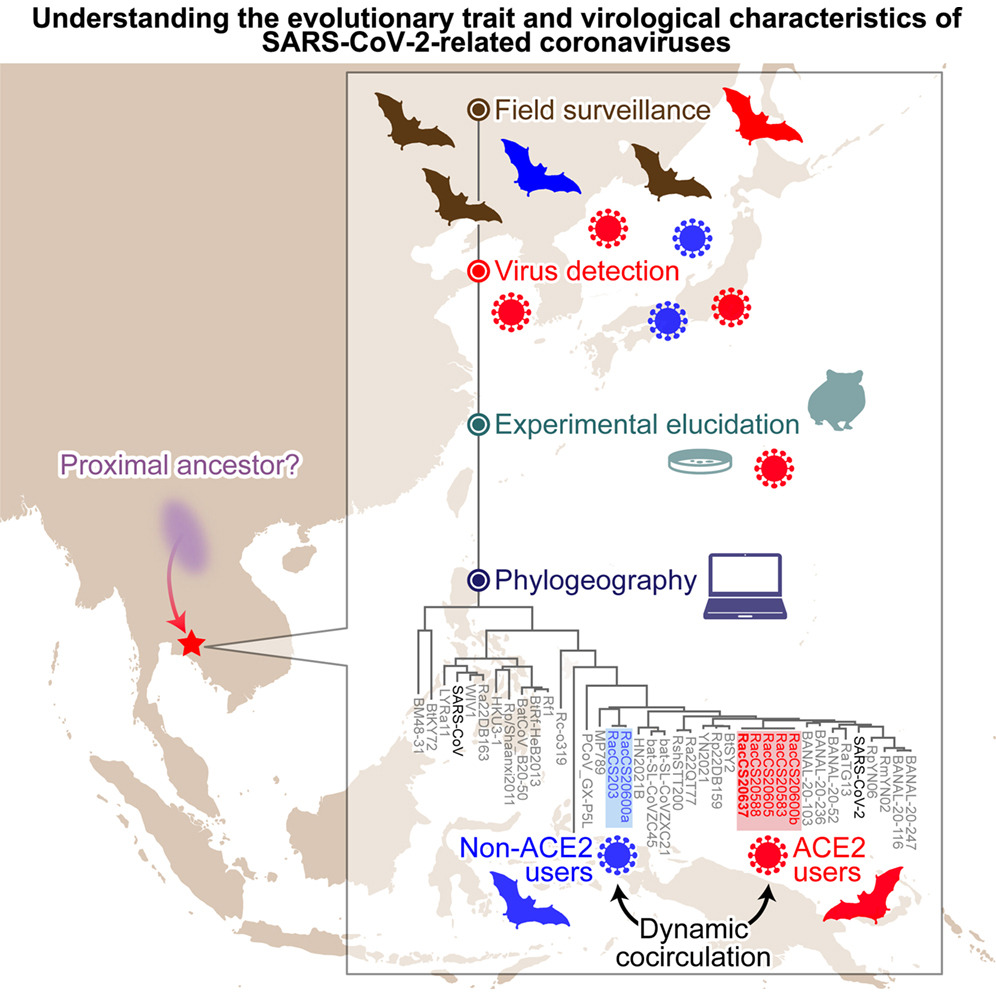 A novel group of bat viruses found in Thailand holds clues about the diverse properties and circulation dynamics of SARS-CoV-2-related coronaviruses
- WANG, Lei
- TSUDA, Masumi
- TANAKA, Shinya
May 22, 2026- research-news
- Latest Research
-
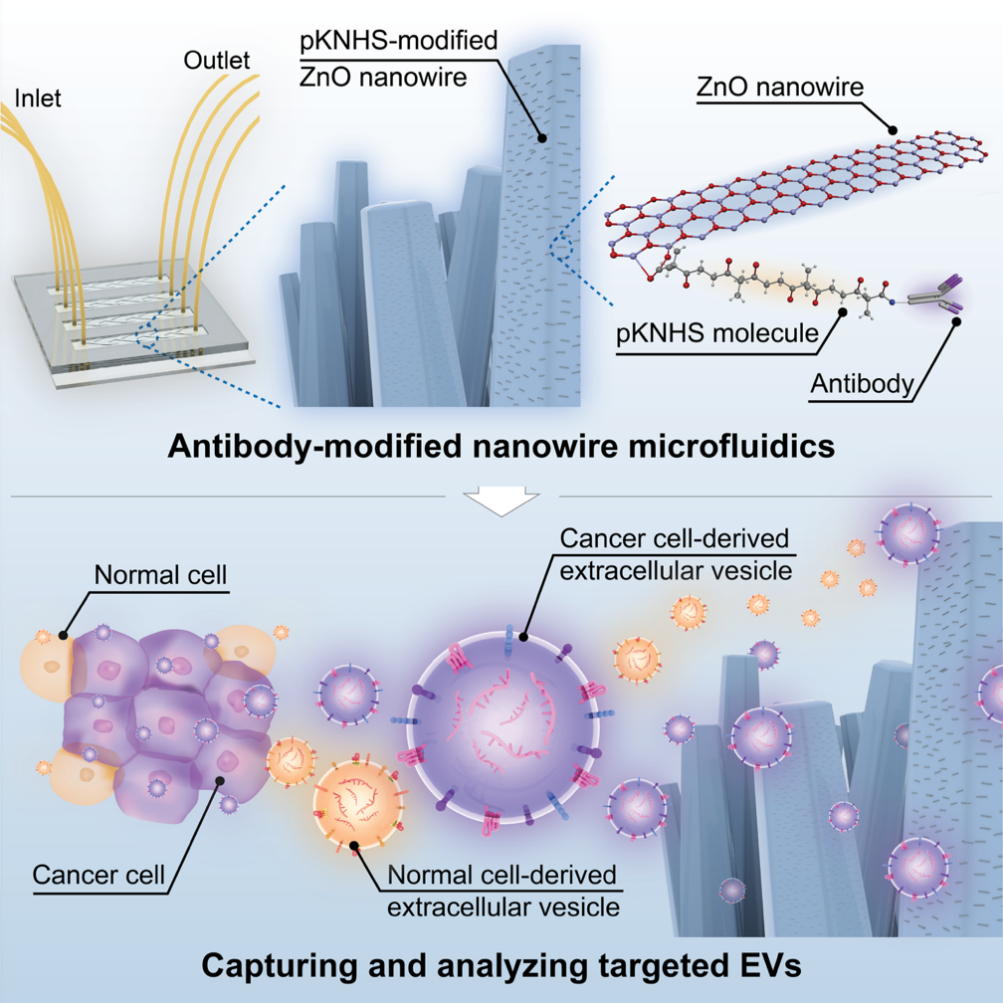 New Technology Developed to Accurately Detect Signs of Cancer in Blood Extracellular Vesicles Captured Using “Nanowires”; Successful Detection in Ovarian Cancer Serum
- IDE, Yuki
- INOKUMA, Yasuhide
May 20, 2026- research-news
- Latest Research
- Press Release
Topics
- Development of Reaction Path Search Methods
- Machine Learning
- New Development of Tough Double Network Hydrogels
- Development of New Organic Reactions
- Computational Chemistry Leading the Experiment
Overview
The mission of ICReDD is the design and discovery of chemical reactions to enable humanity to purposefully craft chemical reactions to any design. We use computational science, information science, and experimental science to develop new methods, new materials, and new applications across all fields where chemical reactions are important.
In particular, we have been developing the “Artificial Force-Induced Reaction” (AFIR) method that allows the exploration of the full chemical reaction network to discover unknown paths to desired products. The method can be applied to a wide range of reactions such as organic synthesis reactions, photoreactions, nanoparticle catalysts, heterogeneous catalysts, and phase transition reactions. The huge amount of data produced by the method needs to be managed by advanced information technology methods such as path enumeration, data mining, and machine learning that help to pinpoint promising reaction pathways. This approach is complemented by experimental chemists from a variety of fields who verify the proposed reactions, develop new experimental methods, and develop the applications.